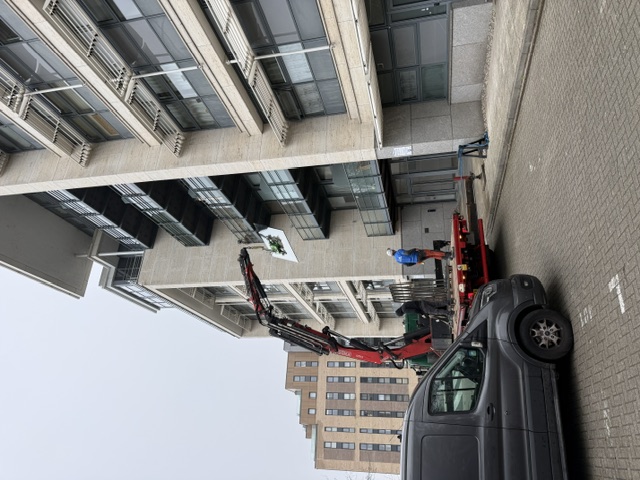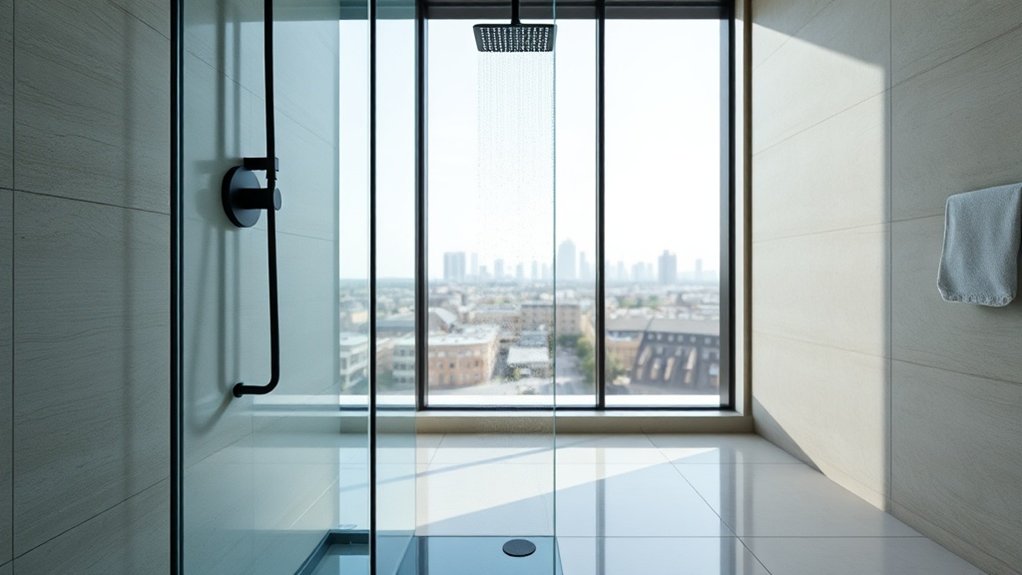
A shower screen in Harlington Corner should be chosen the way we fit them: from laser-measured dimensions, in toughened safety glass, with seals and hardware that suit the layout and keep the water in the tray. Frameless or slim-framed designs in low-iron glass give a bright, modern look, and an easy-clean coating cuts the time spent fighting limescale. In a small bathroom, a sliding, bi-fold or over-bath screen keeps floor space free and the room usable. The rest of this page shows how each option performs in the kind of houses and flats found across Harlington Corner.
Key insights
- Frameless, sliding and corner screens cover every Harlington Corner bathroom size, from a box-room ensuite to a large family bathroom.
- 8 to 10 mm toughened glass to BS EN 12150, with an easy-clean coating, is the right spec for safety, longevity and less limescale in hard-water Harlington Corner.
- A laser survey and micro-adjustable hinges and channels take up the out-of-plumb walls common in older Harlington Corner houses, so the screen seals properly.
- Low-iron clear, frosted or fluted glass with powder-coated or stainless hardware suits both period and contemporary interiors.
- Made-to-measure walk-ins, over-bath screens and space-saving bi-fold or sliding doors are all available from local fitters.
How to Choose the Right Shower Screen in Harlington Corner
Begin with the room, not the catalogue. The glass, the hardware and the configuration have to suit how the bathroom is laid out and how watertight it needs to be. Check whether the walls are solid or stud, and how the floor falls to the drain, because a screen that seals well keeps the spray in the tray and the water off the floor.
Then settle the look. Profiles, hinges and handles come in brushed brass, matt black and anodised aluminium, so they can be matched to the taps and the lighting. Glass thickness follows the span and the door size: a wide hinged door needs thicker glass for stiffness, which in turn puts more load on the hinges.
Ask for an easy-clean coating and hardware with fine adjustment, which cuts cleaning and lets the fitter square the screen up after tiling. Lastly, check the tray or wet-room drain can cope with the shower's flow rate, or the best screen in the world will still leave you standing in water.
Popular Shower Screen Types for Harlington Corner Homes
Most Harlington Corner bathroom projects come down to a choice between frameless glass screens, sliding doors and corner enclosures, picked to suit the layout and the amount of spray to contain. They differ in the hardware that holds them up, the clearance needed to get in and out, and how much floor they take. Knowing how each performs in a real bathroom lets you weigh looks, durability and cleaning before you order.
Frameless Glass Shower Screens
Frameless screens look simple, but there is a lot of engineering in them. In a Harlington Corner bathroom they give a clean, modern edge while letting the light through. The effect comes from precisely cut toughened glass, structural silicone and discreet wall channels or clamps, so there is no frame to distract from the tiles, brassware and lighting.
The glass is normally 8 or 10 mm toughened safety glass, often with a nano-coating that sheds limescale and soap, which matters with Harlington Corner’s hard water. Grade 304 or 316 stainless steel fittings resist corrosion and hold their alignment, so the screen does not drop or rattle years later. Height, width, bracing bars and the finish of the ironmongery can all be tailored to the exact geometry of the room.
Sliding Door Screen Options
Sliding doors are the default in many Harlington Corner bathrooms because they take no swing space and feel solid in use. Current systems run on stainless steel rollers in a concealed track, with soft-close dampers that stop the door slamming. Accurate alignment at installation keeps friction low, so the door does not stick or wear out early.
The door glass is usually 8 or 10 mm toughened, which gives rigidity and a quality feel, with a coating to reduce limescale build-up. Tinted, fluted or low-iron glass lets you set the balance of privacy and light. Aluminium or slim stainless profiles frame the system with a crisp line that works in both modern and more traditional schemes.
Space-Saving Corner Designs
In a compact Harlington Corner bathroom, a corner screen turns an underused corner into a watertight shower without blocking the route to the basin and WC. Using the right angle of the room frees the middle of the floor and improves door clearances.
Quadrant and neo-angle layouts cut off the dead corner and give a surprisingly generous standing area for the footprint. A low-profile tray and frameless or semi-frameless glass keep the eye travelling through to the tiles beyond.
For a hotel-style finish, use clear toughened glass, slim hardware and a recessed drain. Aluminium profiles with high recycled content, durable seals and low-iron glass last longer and need replacing less often, which suits a Harlington Corner refurbishment that is meant to stay put.
Frameless Shower Screens for a Modern Harlington Corner Look
If you want a Harlington Corner bathroom to feel contemporary, a frameless shower screen is the quickest route. Engineered hinges, minimal hardware and toughened glass give an uninterrupted sheet of glass, so the tiles and brassware set the tone rather than a metal frame.
They perform as well as they look. Properly specified seals and threshold details keep spray inside the enclosure, so the floor stays dry and the water goes where it should.
- Use 10 mm low-iron toughened glass for the clearest view and a stiff panel.
- Pick wall channels or discreet point-fixed brackets depending on how minimal you want the profile.
- Add an easy-clean coating and make sure the tray fall drains away from the glass, so the lines stay crisp with little effort.
Best Shower Screens for Small Bathrooms in Harlington Corner
A compact Harlington Corner bathroom needs a screen that gives back floor area, which usually means a sliding, bi-fold or single-panel walk-in layout. The glass finish, whether clear, frosted, tinted or low-iron, then sets the balance of light, privacy and ease of cleaning in a tight room. The fit has to be planned around the exact dimensions, the pipework and the wall construction, so the screen goes in accurately and keeps performing.
Space-Saving Screen Designs
Harlington Corner’s period terraces and new-build flats both tend to have small bathrooms, but the right screen still gives a clean, high-performing shower. Choose hardware and profiles that project as little as possible into the room and leave the most clear floor for moving about.
- Sliding or telescopic screens on very slim tracks need no swing space, which allows a tighter WC or vanity layout.
- Bi-fold screens with offset hinges fold back flat against the wall, opening the enclosure up when nobody is showering.
- A minimal-frame corner entry with wall-hung storage above keeps every component pulling its weight in a small, design-led room.
Glass Types And Finishes
Compact hardware only takes a small Harlington Corner bathroom so far; the glass decides how light moves, how big the room feels and how easy the screen is to keep clean. For a small footprint, low-iron toughened glass removes the green tint and makes the most of what daylight there is.
Clear glass gives unbroken sightlines; frosted or acid-etched glass keeps privacy without losing brightness. A subtle laser-etched or screen-printed pattern can mark out the shower area without making the room look smaller.
Nano-seal treatments that repel limescale are close to essential in Harlington Corner’s hard-water districts. Bronze or grey tints cut glare and add depth; use them on the fixed panel and keep the door clearer so the enclosure does not look heavy.
Installation Tips For Harlington Corner
Because Harlington Corner has everything from narrow Victorian terraces to new apartments, the installation has to deal with uneven walls, varying water pressure and sometimes awkward access for a large pane of glass. Start with a laser survey that checks wall plumb, floor fall and the existing tanking before choosing a fixed, hinged or sliding layout.
Slim wall-fixed profiles and low-iron glass keep a small room feeling open, and the following details keep it dry:
- Good seals and magnetic closers that stop overspray and keep water in the tray.
- A small ventilation gap or transom vent that works with the extractor fan so condensation does not sit on the glass.
- Micro-adjustable hinges and channels that absorb the out-of-square masonry found in older Harlington Corner houses.
Over-Bath Shower Screens for Small Harlington Corner Spaces
Where a Harlington Corner bathroom has room for a bath but not a separate shower, an over-bath screen gives you both without taking any extra floor. It uses the height of the room, keeps the lines tidy and avoids the clinging shower curtain.
Specify 6 to 8 mm toughened glass with an anti-limescale coating for a hard-water postcode. A hinged or folding section swings clear for bathing and back to contain spray when showering. Accurate seals, magnetic closers and a clean bead of silicone along the bath edge are what stop water tracking down the side of the tub.
Pair the screen with a decent extractor to manage condensation and protect grout, plasterboard and joinery. Clear glass and minimal hardware keep the light flowing and make the room feel larger.
Walk-In Screens for Accessible Harlington Corner Bathrooms
Over-bath screens suit tight rooms, but more Harlington Corner homeowners are choosing walk-in screens for accessibility, safety and long-term use. Removing the threshold makes stepping in easier, simplifies transfers from a shower chair and future-proofs the room without going back to a curtain.
A walk-in layout also gives you finer control of splash, drainage falls and ventilation, which keeps finishes dry and mould at bay. Set out correctly, the screen lines up with the floor falls and a linear drain so entry is level and water drains away cleanly.
- Use a level-access tray or wet-room former with a slip-resistant surface.
- Keep framing minimal and fixings concealed so the enclosure is easy to clean and service.
- Position the screen height and the extractor together so air moves through the shower area and condensation clears.
Glass Choices and Safety Standards for Shower Screens
With a shower screen in Harlington Corner, the glass specification counts as much as the frame. You need toughened safety glass that meets the British Standard, in a thickness matched to the layout and the fixing method. Looking at thickness, strength and durability together gets you a screen that looks refined and stands up to daily use safely.
Toughened Glass Options
The screens that feel more solid and look sharper are almost always made from better toughened glass. Thickness is only part of it; edge quality, optical clarity and certified impact performance all contribute to a screen that is safe and looks right.
For a Harlington Corner bathroom the usual choices are:
- 8mm Toughened Glass – the workhorse for hinged and sliding doors, strong enough without overloading the hinges.
- 10mm Toughened Glass – very rigid, for walk-in panels and frameless designs with minimal hardware.
- Coated Toughened Glass – a hydrophobic surface that sheds water, resists limescale and keeps its clarity for years.
British Safety Regulations
Shower screens may be treated as a design feature, but in law they are safety-critical glazing. The glass must comply with BS EN 12150 for toughened safety glass and, in a domestic bathroom, with the safety glazing rules in Part K of the Building Regulations, which cover the critical locations around baths and showers. Within that, there is still plenty of freedom in how the screen looks.
Use fully toughened, permanently marked glass from a certified processor, with evidence of impact and fracture testing. Match the safety glazing with good seals and well-made profiles so the screen is watertight as well as safe. Compliant hardware, secure fixings and clear certification make Building Control sign-off on a Harlington Corner project simple.
Thickness, Strength, And Durability
Compliance sets the minimum; the thickness and strength you choose decide how the screen behaves every day. The options are 6, 8 and 10 mm toughened safety glass, and the trade-off is between rigidity, weight and a slim look. Thicker glass feels more architectural but puts more load on hinges, walls and seals, so fixings and any wall reinforcement must be planned before tiling.
The make-up of the glass matters too: low-iron glass is clearer, and coated glass resists scratches and staining, which extends its life in a busy Harlington Corner family bathroom.
- Choose a thickness that limits deflection under knocks and temperature changes.
- Match the hinge rating to the glass weight so the door does not drop over time.
- Spot installation problems early with an accurate site survey and CAD drawings.
Choosing Frames, Finishes and Hardware for Harlington Corner Bathrooms
Frames, finishes and hardware for a Harlington Corner shower screen have to carry the glass, suit the room and last. Match the profile to the wall: aluminium is light and stiff; stainless steel gives the best corrosion resistance in a hard-water area. Slim frames work well where the lighting is layered and directional, as they avoid bright reflected lines on the glass.
Finishes tie the screen to the tiles. Brushed brass or nickel sits well with stone-effect porcelain; matt black gives a graphic outline against large-format concrete-look tiles. Check the PVD or powder-coat specification for scratch and salt-spray resistance.
Specify close-tolerance hinges, solid brass fixings and sealed rollers, and ask for cycle-test data so the door still runs smoothly after years of daily use.
Privacy and Light Control With Your Shower Screen
Privacy and light control come down to a choice between frosted and textured glass, judged on performance as much as looks. Frosted glass diffuses light evenly, giving strong privacy while still passing plenty of daylight, which suits a bright but compact Harlington Corner bathroom. Textured glass adds pattern and depth, letting you manage sightlines without the room feeling closed in.
Frosted And Textured Glass
Clear glass is still the most popular choice, but frosted and textured screens balance privacy and light more cleverly, especially in a small Harlington Corner bathroom. By scattering light, a frosted finish softens glare, removes hard shadows and keeps the room bright while blocking a direct view.
Patterns and gradients can be specified so the glass works almost like a lens, sending light where it is wanted and masking views where it is not. Modern textured finishes also hide fingerprints and water spots, which means less cleaning.
- Satin-etched glass for even diffusion and a refined, modern look.
- Patterned, rolled or deeply textured glass to vary privacy zones and add depth.
- Hybrid panels mixing clear and frosted areas to line up with the room's fittings and architecture.
Balancing Openness And Privacy
Making a small Harlington Corner enclosure feel open while still giving privacy starts with deciding how much screening you need and on which faces. The privacy options are then chosen so they do not cost you daylight.
Switchable smart glass gives you both at once: clear most of the time, opaque at the touch of a switch. A simpler static approach pairs clear fixed panels with frosted or fluted glass on the most exposed side.
Full-height screens cut sightlines while letting daylight in. Low-iron glass keeps the view clear, and careful placement of hinges, channels and bracing bars means the hardware does not break up the open field of glass.
Cleaning and Maintenance Tips for Harlington Corner Shower Screens
Even a well-designed screen in Harlington Corner loses its impact once limescale, soap scum and grime take hold on the glass and hardware. Keeping it looking sharp means a cleaning routine and a maintenance schedule that take the local hard water into account.
Use a pH-neutral, non-abrasive cleaner and a microfibre cloth to protect coatings and polished hardware. A quick squeegee after each shower prevents mineral spotting and keeps frameless and semi-frameless glass clear.
- Clean the glass and hardware weekly so deposits never get a chance to build up and corrode fittings.
- Check seals, hinges and channels monthly and replace worn parts before a leak or misalignment develops.
- A hydrophobic glass treatment and good ventilation reduce residue and shorten the cleaning job.
Shower Screen and Installation Costs in Harlington Corner
Three things drive the price of a new shower screen in Harlington Corner: the glass specification, the hardware quality and how complex the fitting is. Toughened safety glass, low-iron clarity and a nano-coating each add a little, but each improves how the screen performs and looks over its life.
Get itemised quotes that list glass thickness, finish, hinge or channel system and seals, so suppliers can be compared like for like. Frameless designs sit at the top of the range because of the precision hardware and the tighter tolerances needed when fitting.
Installation cost depends on the condition of the walls, how close the pipework is and any making-good needed to walls or trays. A proper site survey and laser-level setting out cost a little more up front but cut call-backs, protect the warranty and lower the lifetime cost.
Made-to-Measure Shower Screens in Harlington Corner
Standard enclosures suit plenty of bathrooms, but a made-to-measure shower screen in Harlington Corner solves awkward layouts, tight clearances and sloping ceilings to the millimetre. You are not tied to stock widths, hinge positions or glass heights; every dimension is set to fit the room and the design.
A bespoke screen can follow current design trends while being built for the long haul. Toughened glass thickness, low-iron clarity and precision hardware finishes combine into an installation that fits now and still looks right in ten years.
- Choose a glass coating that resists limescale and makes cleaning quicker.
- Plan door swing, panel splits and bracing for stability and easy access.
- Coordinate profiles, seals and handles so the lines stay clean and minimal.
Finding Reliable Shower Screen Fitters in Harlington Corner
Telling a specialist from a general tradesperson when picking shower screen fitters in Harlington Corner starts with one question: do they measure, specify, supply and fit in-house? Keeping the whole job with one firm tightens tolerances, improves waterproofing and makes sure a bespoke screen fits the walls it was measured for.
Ask for CAD drawings or a detailed sketch before anything is made; a competent fitter works out hinge clearances, glass weights and fixing loads rather than just the opening size. Look through their portfolio for tricky layouts, minimal framing and screens integrated with recessed channels or linear drains.
If sustainability matters, check they can supply low-iron recyclable glass, lead-free hardware and responsibly made seals. Finally, insist on a written installation method, a manufacturer-backed warranty and clear care instructions.
Common Shower Screen Problems in Harlington Corner (and Fixes)
Even with a good fitter, Harlington Corner’s hard water, older houses and small bathrooms put predictable stresses on a shower screen. Limescale clouds the glass, seals perish and a door that has dropped out of line starts to leak at the corner, which spoils both the look and the daily use.
Each problem has a targeted fix:
- Fit easy-clean coated glass, consider a water softener, and descale every few months to keep the glass and hardware clear.
- Upgrade to quality magnetic seals and adjustable hinges, which take up out-of-plumb Victorian walls and stop drips at the corners.
- Rethink the layout with a bespoke design: fixed panels with fewer joints, wall-to-ceiling bracing or a sliding system that makes better use of a small Harlington Corner bathroom.
How Shower Screens Add Value to Harlington Corner Homes
A well-chosen shower screen does more than tidy the bathroom; it improves how a Harlington Corner home shows, performs and holds its value. Swapping a shower curtain for a properly fitted glass screen immediately lifts the perceived quality and hygiene of the room, which buyers and surveyors notice.
It also pulls the bathroom scheme together. Minimal framing, low-iron glass and matched hardware let the screen sit with the brassware, tiles and lighting, giving a coherent, high-spec look that photographs well for the listing.
Technically, a good screen protects the building fabric. Accurate sealing and contained spray mean less water on the floor, less damp and less mould, so grout and substrates last longer. Over the years that means fewer repairs, lower maintenance costs and a stronger case at valuation.
Step-by-Step Planning for Your Harlington Corner Shower Screen Project
Before ordering glass or booking a fitter, split a Harlington Corner shower screen project into stages covering measurement, drainage, ventilation and appearance. Start with laser-accurate measurements of finished floor level, wall plumb and ceiling height, allowing for tile thickness and movement joints. Then plan the water path so the screen, the tray fall and any linear drain work together as one system.
Choose hinges, channels and seals to suit the shower fittings and the style you are after, keeping visible hardware to a minimum without giving up performance.
- Confirm stud positions and wall strength so the fixings can carry the glass safely.
- Model the door swing and clearances in 3D before committing to an order.
- Coordinate extractor, lighting and mirror demister positions with the screen layout.
This service is delivered by our Harlington Corner glaziers.
Frequently Asked Questions
Can I Install a Shower Screen in a Listed or Conservation-Area Harlington Corner Property?
Usually yes, but treat it as an alteration to a protected building rather than a routine bathroom job. Check the listing description and any conservation-area guidance first, and talk to the council's conservation officer if the bathroom contains original fabric. Keep the work reversible: clamp or channel systems with minimal drilling, no cutting into period panelling or cornices, and neutral-cure silicone that can be removed later. A frameless or very slim-profile screen in low-iron glass is visually light and is the option most likely to be accepted without objection.
Are There Local Harlington Corner Council Regulations Affecting Bathroom Ventilation With Shower Screens?
The rules that apply in Harlington Corner are the national ones in Part F of the Building Regulations, which the council enforces through Building Control. A bathroom needs an extractor fan with an intermittent rate of at least 15 litres per second, and a humidistat-controlled fan is a sensible upgrade. If the screen creates an enclosed cubicle, position the fan so it draws moist air from inside that zone, or add a second extract point. Agree the duct route with Building Control early, especially in a flat where the run to an outside wall may be long.
How Do Hard Water Levels in Harlington Corner Affect Shower Screen Lifespan?
Water in Harlington Corner is hard, which means limescale forms quickly and can etch uncoated glass over time, shortening the life of both the glass and the fittings unless the design allows for it. Specify glass with a hydrophobic or nano-coating and corrosion-resistant stainless hardware. Ask for channel details that do not trap dirt, and seals that can be swapped without removing the glass. Add a descaling routine every few months, and a squeegee after each shower, and the screen will stay clear and the hinges will keep working for many years.
Can Harlington Corner Landlords Claim Shower Screen Upgrades as Allowable Tax Expenses?
Often, yes. HMRC generally treats a like-for-like replacement of a worn or broken screen as a repair, which is a revenue expense deductible against rental income. If you move to a much higher specification, for example from a basic framed door to a bespoke frameless enclosure, part of the cost may count as a capital improvement, which is treated differently. Keep itemised invoices that describe the work and the previous condition, and check the position with your accountant, because the treatment depends on the facts of each case.
Are There Eco-Friendly or Recycled-Material Shower Screens Available in Harlington Corner?
Yes. Most float glass already contains a proportion of recycled cullet, typically somewhere around a third or more, and toughened screens can be specified with this in mind. Aluminium profiles are available with high post-consumer recycled content and low-VOC powder coatings, and modular hardware can be taken apart for recycling at the end of its life. A water-repellent coating reduces how often the glass needs cleaning and the chemicals used to do it. Choosing a made-to-measure screen that lasts twenty years is itself the greenest option, as it avoids a replacement.
Summary
Choosing a shower screen in Harlington Corner is about more than stopping splashes; the right glass thickness, hardware finish and layout make the bathroom look intentional and work better every day. Plan the details now, from the laser survey to the drain, and the result is a screen that performs quietly for years and adds to the value of the house. Call us for a free measure and quotation for shower screens in Harlington Corner.